
Meridians are like invisible highways in your body through which energy, or “Qi” (pronounced “chee”), flows. According to traditional Chinese medicine, these pathways connect different organs and systems, helping to regulate your body’s functions. If energy flows smoothly through the meridians, you’re in good health. However, if there’s a blockage or imbalance, it can lead to discomfort or illness. Techniques like acupuncture, acupressure, and certain types of massage are used to stimulate the meridians, helping to restore the balance of energy and promote healing in the body.
Jin Shin Jyutsu is an ancient Japanese healing practice that uses gentle touch to balance the energy in your body. It’s based on the idea that energy flows through pathways, similar to meridians, and when this flow gets blocked or out of balance, it can cause physical or emotional discomfort. In Jin Shin Jyutsu, specific points on the body, called “safety energy locks,” are held with the hands to help restore harmony and well-being. By using simple hand positions, either on yourself or with the help of a practitioner, this technique can promote relaxation, reduce stress, and support the body’s natural healing abilities.
Inside the program you are taught individual points, but there are flows (a sequence of points) that are more powerful ways to get to the underlying factors.
 Tao Hands is a spiritual healing practice (this is not religious – spiritual means it gets to those underlying causes at an energy level) that combines ancient wisdom with modern energy healing techniques. Practitioners of Tao Hands channel positive, healing energy directly from the Tao, which is the universal source of life and balance. During a Tao Hands session, the practitioner uses their hands to transmit this healing energy to specific areas of the body or to address emotional, physical, or spiritual issues. The goal is to remove energy blockages, restore harmony, and promote well-being. People often turn to Tao Hands for relief from stress, pain, and to support overall health and personal growth.
The main concept of Tao technologies is of ancient wisdom called Shen Qi Jing. This translates into information – energy – matter.
What this means is that information moves energy which changes matter. So to make any lasting change you must target the information level of the body. Medications, supplements and many therapies (chiropractic, massage, osteopathy, nutrition etc) work at a matter level.
Acupressure including Jin Shin Jyutsu work at an energy level as they shift energy in the body, remove blockages in the pathways.
Tao (and word medicine) work at that information level and hence address the underlying cause of health – which is misinformation.
 “Words as medicine” refers to the concept that words have the power to heal, just like medicine. This idea is rooted in the belief that the way we speak to ourselves and others can influence our emotions, mental state, and even physical health. Positive, kind, and affirming words can uplift, reduce stress, and promote healing, while negative or harsh words can cause emotional pain and contribute to anxiety or illness.
Word Medicine is based on a system of Decrees (orders) using specific words that get to the programming areas of the body, to change the information and get the body to release and remove the blocks and blockages to good health.
PLEASE NOTE: many people say you have to believe in techniques for them to work. This is not true. All you have to do is use them as instructed and then see the changes that occur.
Just because a technique is unfamiliar and seem a bit unusual, doesn’t mean it isn’t powerful, and affective.
Once your blood pressure is back to normal levels, then feel free to believe in the techniques, for now just do them and feel free to ask questions too.
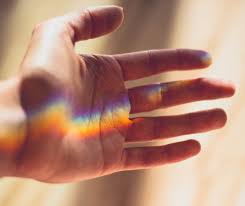 Acupressure is a healing technique that involves applying pressure to specific points on the body to stimulate energy flow and promote relaxation, similar to acupuncture but without needles. These points, known as acupoints, are located along energy pathways called meridians. By pressing on these points with fingers, hands, or tools, acupressure helps to relieve tension, reduce pain, improve circulation, and restore balance to the body’s energy system.
It is commonly used to address issues like headaches, muscle tension, stress, digestive problems and even blood pressure. Acupressure is a simple and natural way to support the body’s healing process.
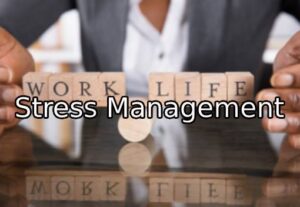 Stress management techniques like daydreaming and Emotional Freedom Technique (EFT) are simple yet powerful ways to reduce tension and restore calm.
Daydreaming allows the mind to wander freely, offering a mental break from stress. It engages your imagination, helping you to escape temporarily from daily pressures and promoting relaxation. By visualising positive or enjoyable scenarios, daydreaming can refresh your mind, enhance creativity, and reduce anxiety. A few seconds of positive daydreaming changes our brain chemistry, a minute can negate a few hours of stress.
EFT, also known as “tapping,” is a method that combines elements of traditional Chinese medicine with psychology. It involves tapping on specific acupressure points on the body while focusing on the stressful issue or emotion. This helps release blocked energy, reduce emotional distress, and promote a sense of calm. EFT is often used to manage anxiety, reduce emotional trauma, and improve overall well-being by calming the nervous system and promoting emotional balance. Both techniques offer accessible, non-invasive ways to cope with stress in everyday life.
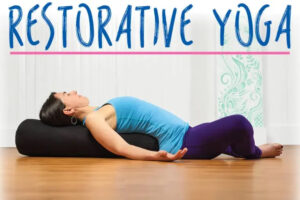 Restorative yoga is a gentle, meditative form of yoga that focuses on relaxation and healing through passive stretches and supported poses. This practice emphasises holding poses for extended periods, often using props like blankets and bolsters to support the body.
Restorative yoga encourages deep rest, helping to activate the parasympathetic nervous system (PNS), which is responsible for the “rest and digest” functions of the body. By engaging the PNS, restorative yoga can reduce stress, lower heart rate and blood pressure, improve digestion, and promote a sense of calm and well-being. It also supports the body’s ability to recover from physical and emotional stress, fostering a state of balance and relaxation.
 Drinking water is essential for maintaining heart health and supporting overall cardiovascular function. Proper hydration helps the heart pump blood more efficiently, reducing strain on the heart muscles. When the body is dehydrated, blood becomes thicker, making it harder for the heart to circulate blood, which can increase blood pressure.
Staying well-hydrated also helps regulate body temperature, maintain electrolyte balance, and flush out toxins, all of which are crucial for a healthy heart. In addition, adequate water intake supports kidney function, which indirectly influences heart health by helping regulate blood volume and pressure. By simply drinking enough water, you can reduce the risk of heart-related issues and promote better cardiovascular health.
So now on to what you actually need to do. This next section is broken down into the 3 types of techniques.