
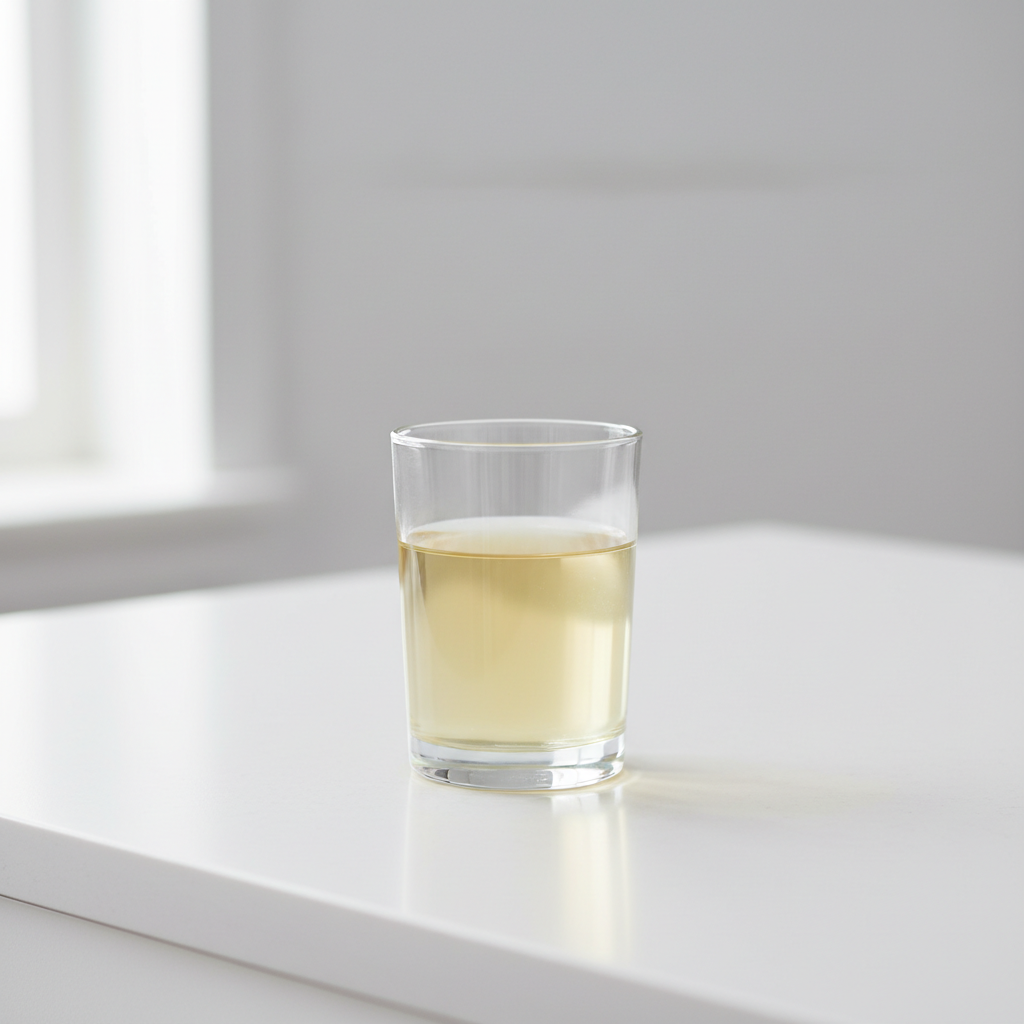
Hydration Support
Cellular hydration and recovery
How to do it:
Fill a glass with:
¼ clear, unsweetened apple juice
¾ water
Drink 3–4 times per week, or more if preferred
Benefits may include:
* Improved energy
* Reduced inflammation
* Less dryness and stiffness
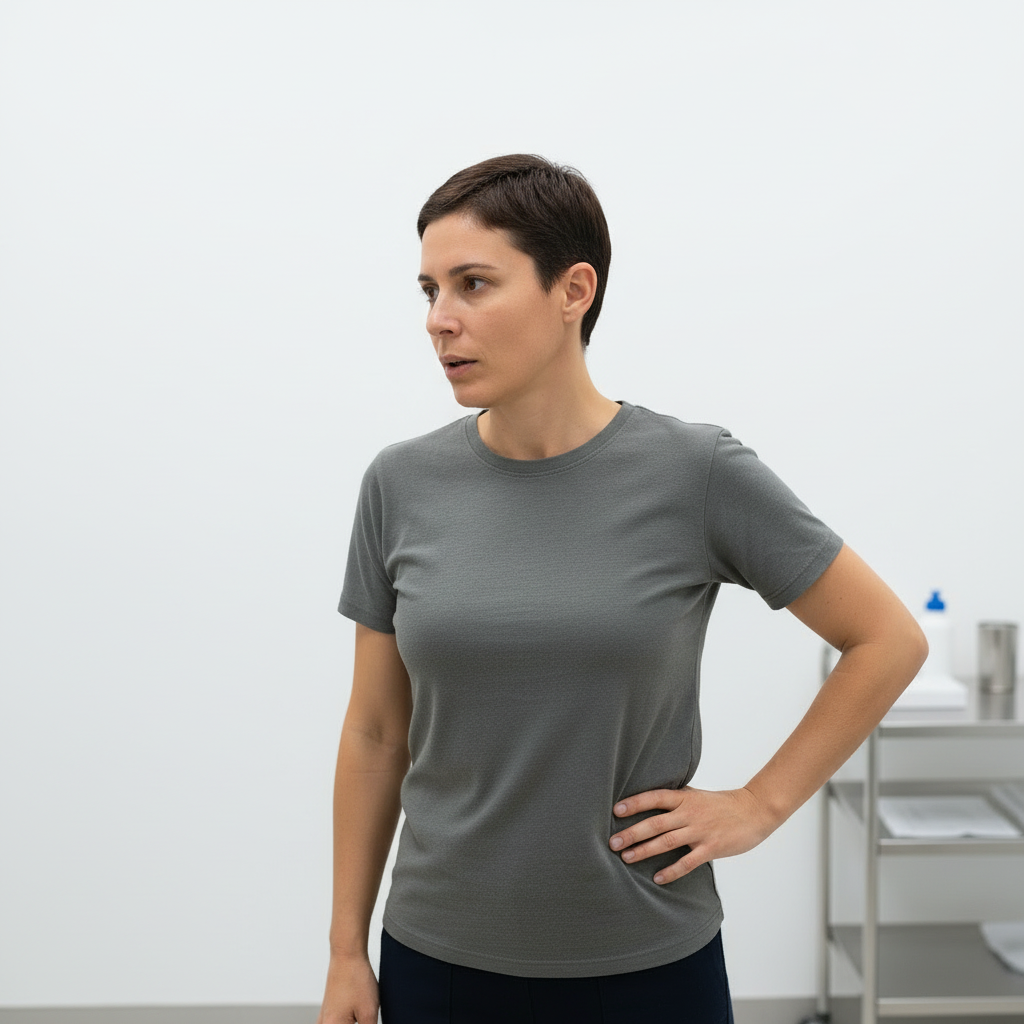
Diaphragm
Breathing restriction, stress patterns, core tension
What this does:
The diaphragm tightens easily from lifting, stress, falls, or shock. Releasing it improves breathing, posture, and spinal comfort.
Option 1:
Turn your head to one side
Drop the opposite arm down
Cough loudly 2–3 times
Repeat on the other side
Option 2:
Close your mouth
Block your nose with your fingers
Try to breathe in and out
Continue until you must take a breath
Frequency:
Often initially
Long-term: once or twice per week
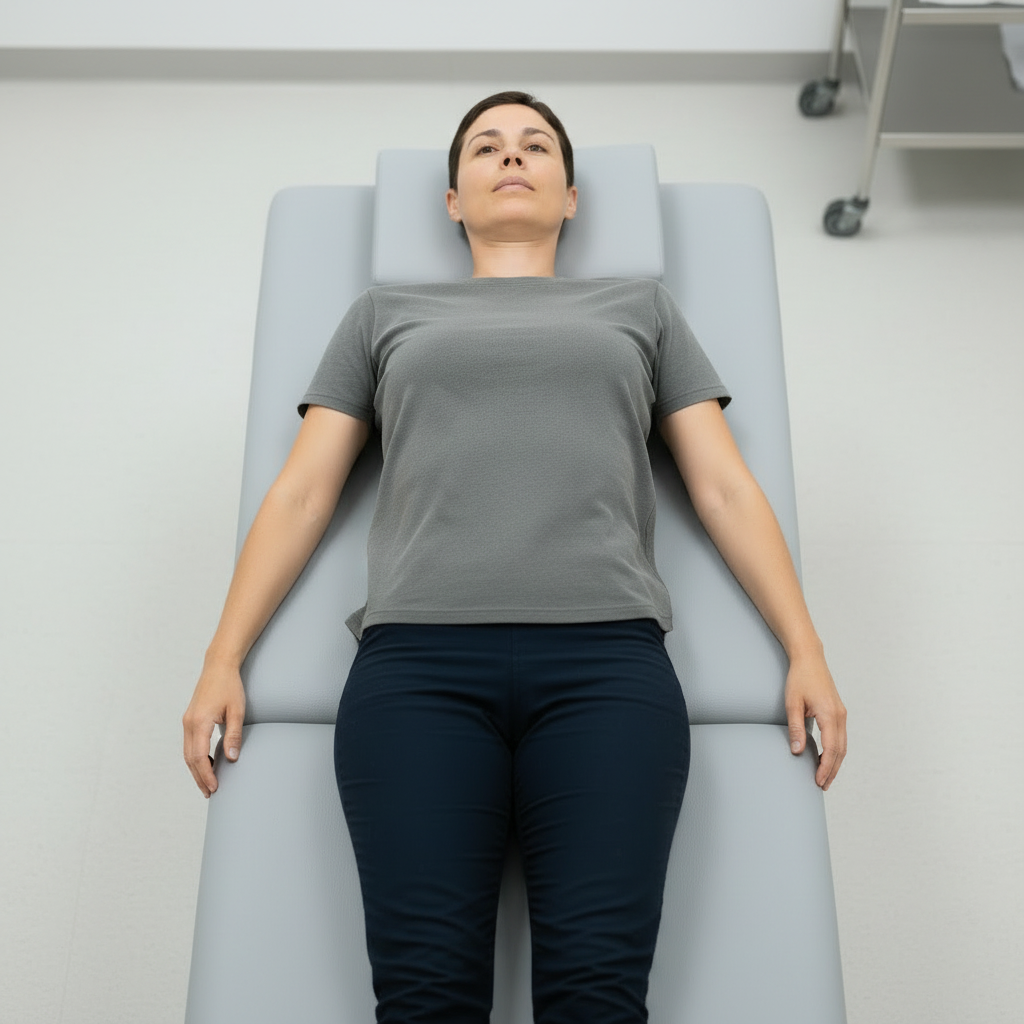
Sacro-Iliac (SI) Joint Release
Lower back and pelvic pain
What this does:
Gently restores up-and-down movement through the SI joint, allowing the pelvis to move more freely.
How to do it:
Lie on your back
Gently raise one hip (making that leg shorter)
Drop the opposite hip (making that leg longer)
Move very slowly, almost imperceptibly
Repeat up and down a few times
Tips:
Movement should be subtle
Walking afterward helps restore forward-back movement
Do nightly until pain eases
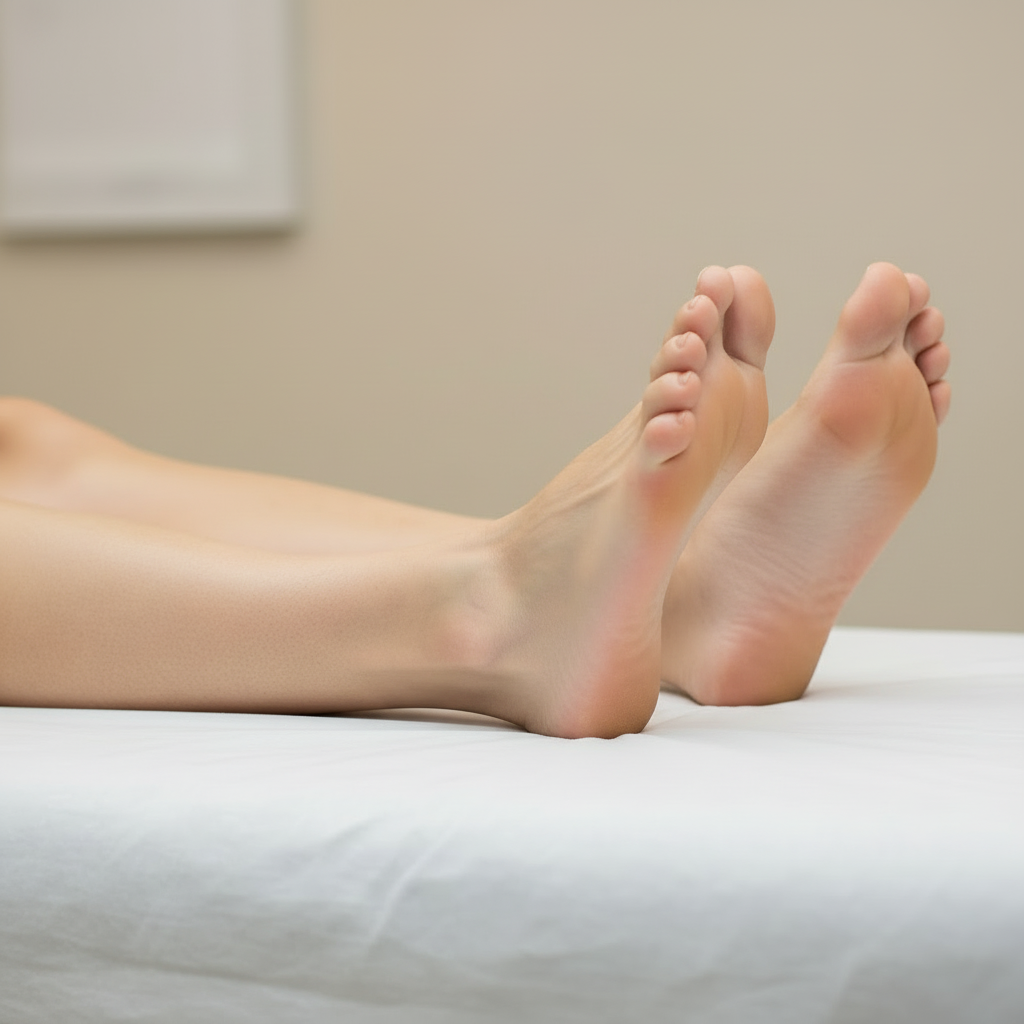
Plantar Reflex
Foot, leg, and lower back tension
What this does:
Resets reflexes in the feet that influence leg and spinal muscles.
How to do it:
Lie on your back or sit
Point feet downward as far as possible
Scrunch toes as if picking up a pen
You can actually hold a pen or tissue
Move your foot side to side
Do NOT turn the ankle
Continue for up to 30 seconds
Note:
Mild cramping may occur but usually settles

Sterno-Cleido-Mastoid (SCM) & Upper Trapezius
Neck tension, headaches, shoulder tightness
What this does:
This reflex calms protective tension in the neck and upper shoulders, commonly triggered by stress, posture, or whiplash-type strains.
How to do it:
Turn your head as far as is comfortable to one side
Close your eyes
Tap firmly and sharply:
On the tendon on the collar bone
And on the bone just behind the ear
Tap 6–10 times
Important:
If you turn your head left, you tap on the right collar bone and behind the right ear
Keep tapping sharp but controlled — not aggressive
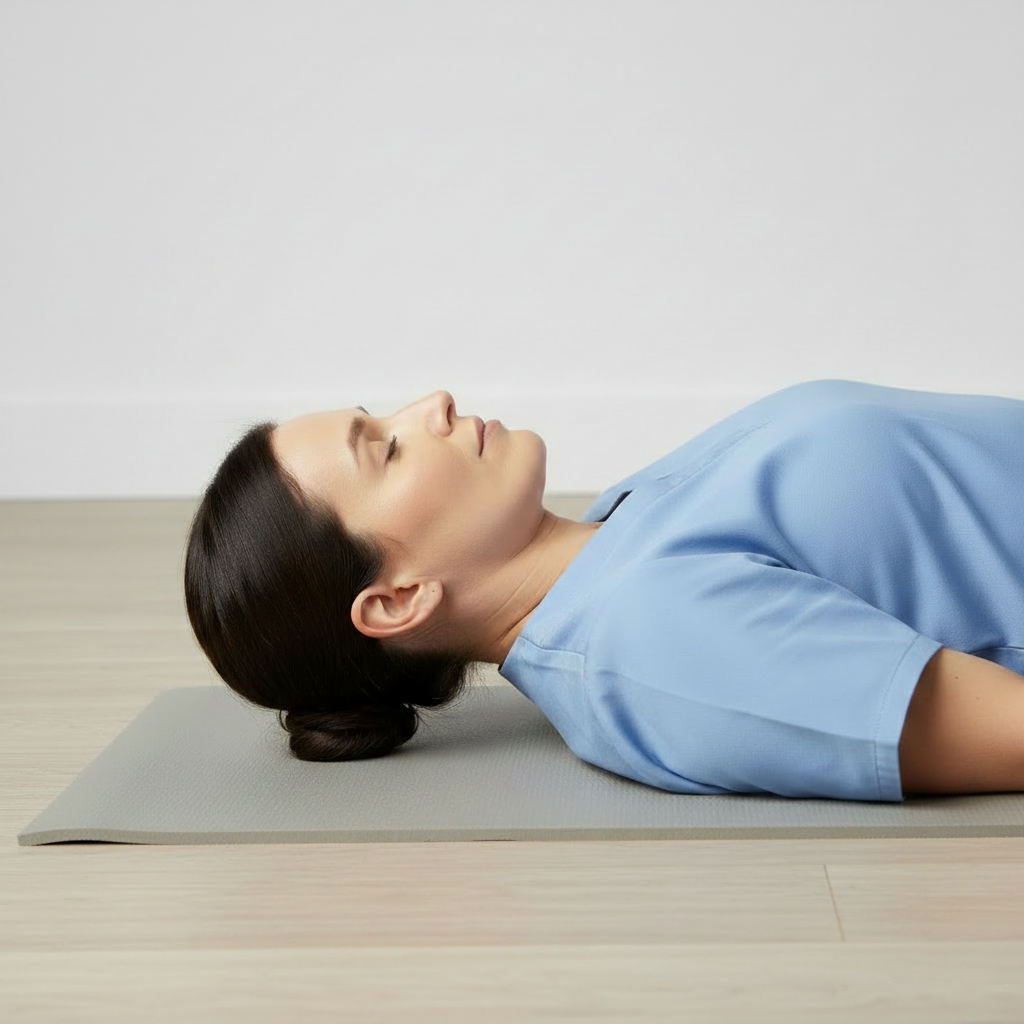
Sub-Occipitals
Base of skull tension, headaches, neck stiffness
What this does:
Releases deep muscles at the base of the skull that commonly lock up during stress and prolonged sitting.
How to do it:
Lie on your back
With eyes closed, gently nod your head down, tucking the chin in
Do NOT lift your head off the surface
Once nodded, look toward your feet with your eyes only
Hold for 20–30 seconds
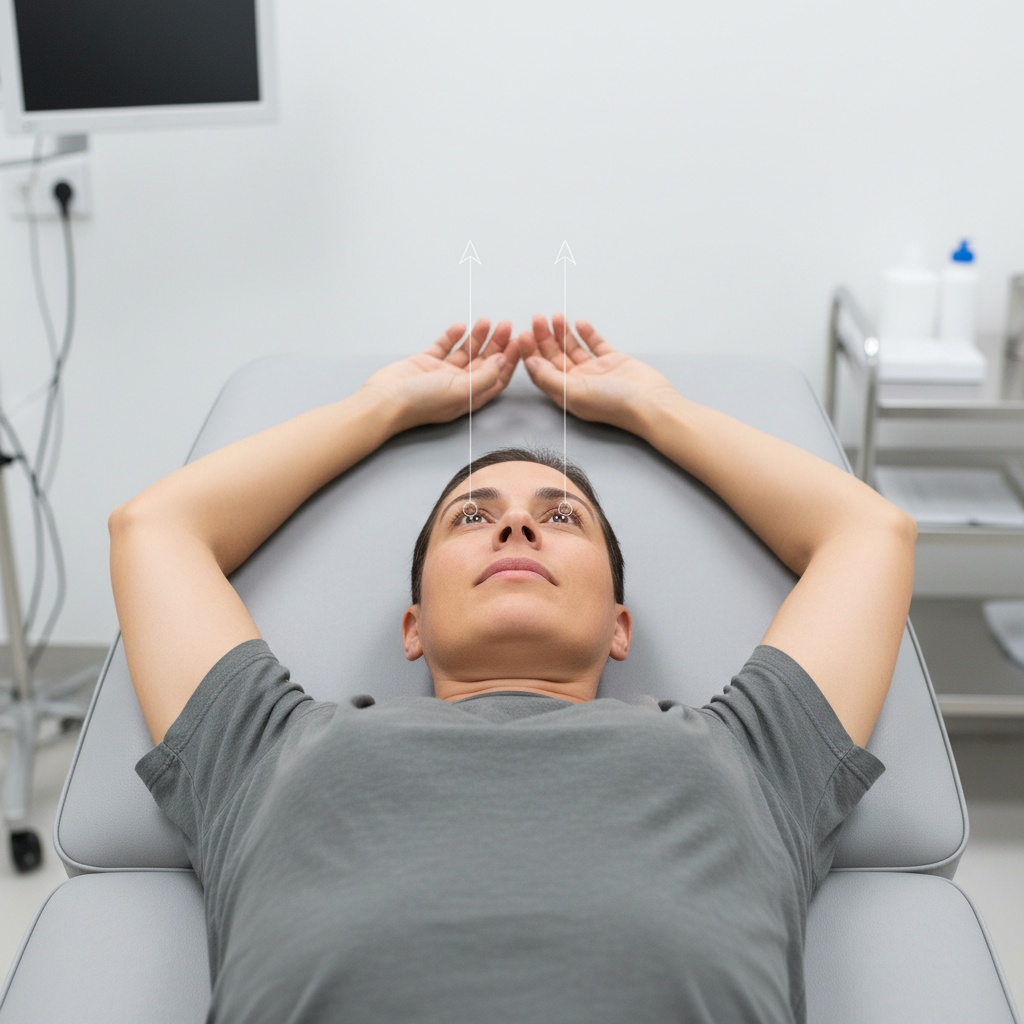
Superman
Upper back tightness and postural tension
What this does:
Helps reset protective upper-back reflexes that contribute to stiffness and fatigue.
How to do it:
Lie on your back
Raise your arms above your head
Look up with your eyes only
Do NOT lift or move your head
Hold for 30 seconds to 2 minutes

TMJ / Shoulder Release
Jaw tension, clenching, neck and shoulder pain
What this does:
Jaw reflexes strongly influence neck and shoulder tension. This technique helps switch off that connection.
How to do it:
Place your tongue gently between your teeth
Press firmly up under the chin, just behind the chin bone
Use your thumb or knuckles
Hold for 30 seconds
Notes:
* You cannot bite your tongue off — it’s safe
* Repeat often during stress
* Excellent as a long-term self-care tool
Diaphragm
Breathing restriction, stress patterns, core tension
What this does:
The diaphragm tightens easily from lifting, stress, falls, or shock. Releasing it improves breathing, posture, and spinal comfort.
Option 1:
Turn your head to one side
Drop the opposite arm down
Cough loudly 2–3 times
Repeat on the other side
Option 2:
Close your mouth
Block your nose with your fingers
Try to breathe in and out
Continue until you must take a breath
Frequency:
Often initially
Long-term: once or twice per week
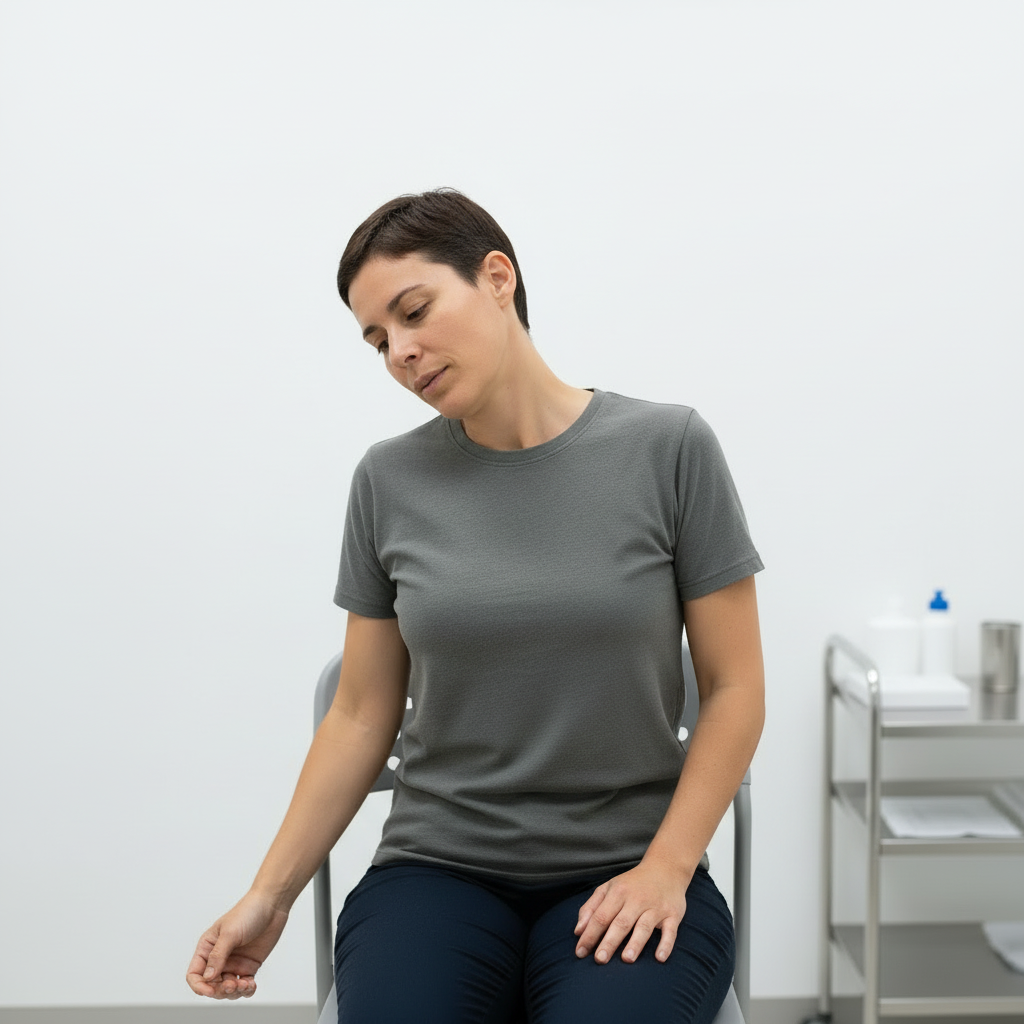
1st Rib
Neck, shoulder, and arm pain
What this does:
Helps free tension where the neck and shoulder meet — a common source of arm and shoulder symptoms.
How to do it:
Lean your head toward the painful side
Drop the arm on the same side
Cough loudly 2–3 times
Repeat on the other side